Liposuction or buccal fat removal
How does face liposuction differ from buccal fat removal?
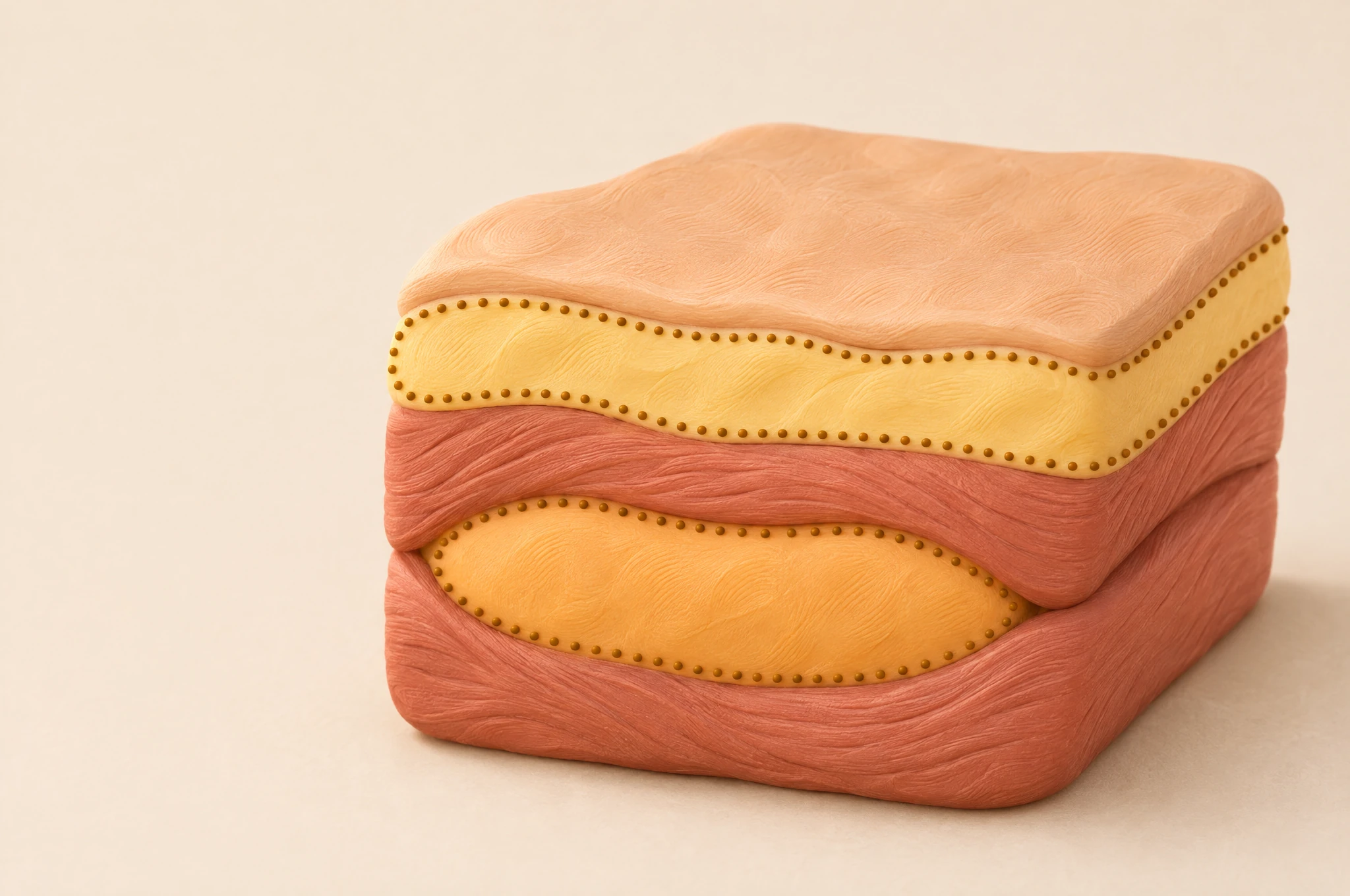
Facial liposuction removes selected fat beneath the skin with a cannula. Buccal fat removal addresses a deeper fat pad between facial muscles, usually through an incision inside the mouth. Similar descriptions of cheek slimming can therefore refer to different operations. [1][2]
Written by the Face Lipo Korea editorial team from the sources listed on each page. Last updated: .
Where are the different fat compartments?

Subcutaneous fat lies beneath the skin. Facial liposuction removes selected portions within the planned area; a retrospective facial study describes treatment of subcutaneous fat accumulation. The appearance of tissue pinched from the outside does not, by itself, establish the amount of a deeper fat pad. [1]
The buccal fat pad sits between facial muscles. It is anatomically distinct from the fat immediately below the skin, so buccal fat removal is not a second name for superficial suction. The examination should connect the tissue being discussed with the location you want assessed. [2]
Prepare a description of the fullness before adopting a procedure name. Do you notice it beside the mouth, across the side of the cheek or beneath the cheekbone? Does your concern relate to width in a front view or heaviness in profile? These questions help you explain the goal without deciding the underlying tissue yourself.
How do access and removal differ?
| Feature | Facial liposuction | Buccal fat removal |
|---|---|---|
| Target | Selected subcutaneous fat | The deeper buccal fat pad |
| Usual access | Small skin openings | An incision inside the mouth |
| Action | Suction through a cannula | Exposure and excision of part of the pad |
| Planning question | Boundaries of cheeks, jowls and chin area | The intended portion and what will remain |
A systematic review describes intraoral access and removal performed with facelift surgery. The usual route is a useful distinction, but the actual proposal should name its approach. [2][1]
If a booking uses only a phrase such as cheek reduction, ask whether it means suction below the skin, excision of a deep pad or both. Confirm that the consent form, quote and consultation record describe the same operation. A translated package name is not enough to establish the anatomy or surgical access.
Which operation fits fullness beside the mouth?
Location alone cannot choose between them. A jowl also involves the transition into the hollow in front of it and the position of surrounding tissues. Explain the concern and ask which structure contributes most to the appearance being assessed. [4]
Include features you do not want changed. If you value the rounded upper cheek, make that part of the discussion. A request to remove as much as possible gives less useful direction than a description of the intended contour. Ask the examiner to identify the tissue behind your concern.
You should be able to repeat the proposed plan in ordinary language: the tissue involved, the entry route and the intended change. If the explanation remains a general promise of a smaller face, request a more specific account before comparing anesthesia, follow-up or travel arrangements.
What does buccal fat removal research show?
Long-term evidence on the outcomes of buccal fat removal is limited. [3][2]
How should long-term appearance enter the discussion?
Separate the initial change from the question of future facial shape. Ask about the follow-up behind an explanation of later appearance: which operation was studied, which patients were assessed and when their contours were reviewed. [3][2]
The practical discussion starts with the contour you have now: which fullness you would like reduced and which areas you would like retained. Also ask when and how the result would be assessed. This gives the proposed operation a defined purpose.
What if both operations are proposed?
Which concern would each operation address?
Why it matters. Different tissues should not be merged under the word cheek.
What a good answer includes. Explains superficial fat and the deep pad separately.
Treat with caution. If the explanation only says that combining them produces a larger change, ask why each is needed.
What would remain if one operation were omitted?
Why it matters. An additional operation needs its own purpose.
What a good answer includes. Identifies the area that would remain unchanged.
Treat with caution. If the explanation only lists a package, ask about the purpose of each operation.
How do you compare names across languages?
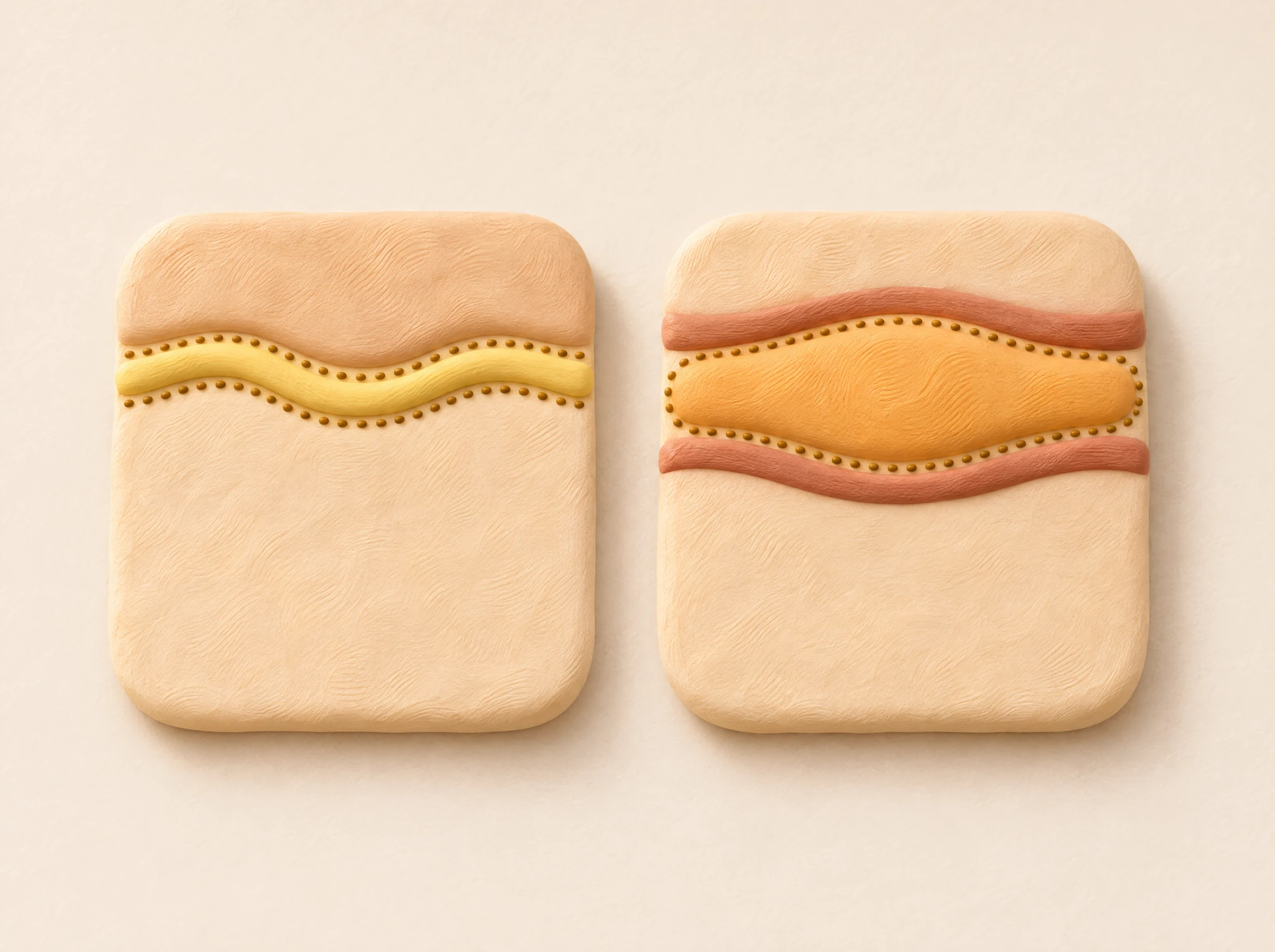
Write facial liposuction and buccal fat pad excision as separate terms in an inquiry. Ask which, if either, is offered. An interpreter should help you check the tissue and access route, not only translate the name on a booking menu. The corresponding terms should remain separate in the written plan.
If the reply says only that facial fat is removed, ask whether the opening is in the skin or inside the mouth. Then request the proposed treatment area. That sequence helps establish whether the answer concerns your original question before you make a decision about surgery.
Common questions
Is buccal fat usually suctioned through a cannula?
Buccal fat excision exposes and removes part of a deeper pad. It is a different operation from subcutaneous liposuction. [2]
Do rounded cheeks mean a large buccal fat pad?
Appearance alone does not identify the tissue. Superficial fat and the deeper pad need to be distinguished in an examination. [1][2]
Is doing both the preferable choice?
Ask for a separate reason for each operation. Combining procedures is not itself a treatment goal.
After separating the procedure names, contact a surgical procedure information desk to ask which operations, if any, are available.
References
(4)
Bibliographic records retrieved from PubMed (U.S. National Library of Medicine).
Gu T, Zhang X, Yu P, et al. "Subzone-Counting" Method in Asian Facial Liposuction: A Retrospective Study. J Craniofac Surg. 2023;34(8):2514-2517.
Moura LB, Spin JR, Spin-Neto R, et al. Buccal fat pad removal to improve facial aesthetics: an established technique? Med Oral Patol Oral Cir Bucal. 2018;23(4):e478-e484.
Traboulsi-Garet B, Camps-Font O, Traboulsi-Garet M, et al. Buccal fat pad excision for cheek refinement: A systematic review. Med Oral Patol Oral Cir Bucal. 2021;26(4):e474-e481.
Talei B, Ziai H. Mandibular Ligament and the Prejowl Sulcus Explained. Aesthet Surg J. 2024;44(11):1131-1139.