Recovery
What should determine your recovery and travel plans?

Plan time off work, contour assessment and travel separately, and arrange the return journey around an individual postoperative review.
Written by the Face Lipo Korea editorial team from the sources listed on each page. Last updated: .
How should recovery be monitored?
Monitor bruising and swelling and adjust activity according to individual postoperative instructions (ASPS liposuction recovery, checked 10 November 2026).
The end of downtime can mean several things: leaving the accommodation, doing desk work, feeling comfortable in public or assessing the final outline. Tell the team which meaning matters for each planned activity. Remote work and a role involving continuous conversation or physical tasks raise different practical questions.
What should you check during cheek and jowl recovery?
Move between stages according to the actual course and the treating team’s instructions.
Initial care and the first review
What to expect: Swelling and bruising belong in the early recovery discussion (ASPS liposuction recovery, checked 10 November 2026). Follow the instructions supplied for the operation.
Do
- Obtain medication and access-site care instructions before leaving.
- If a garment is prescribed, have its position checked and ask when it may be removed.
Avoid
- Avoid adding unprescribed massage.
Discussing a return to daily activities
What to expect: Visible swelling and readiness for work or exercise are separate questions.
Do
- Describe your work, commute, speaking demands and exercise.
- Check the review appointment and travel decision before departure.
Avoid
- Do not use the ability to conceal swelling as the only reason to increase activity.
Reviewing the contour
What to expect: Discuss contour changes at follow-up.
Do
- Record changes under the conditions requested by the treating team.
- Keep the operation record available for care after returning home.
Avoid
- Booking an additional procedure before your current recovery has been assessed.
How should a compression garment be used?
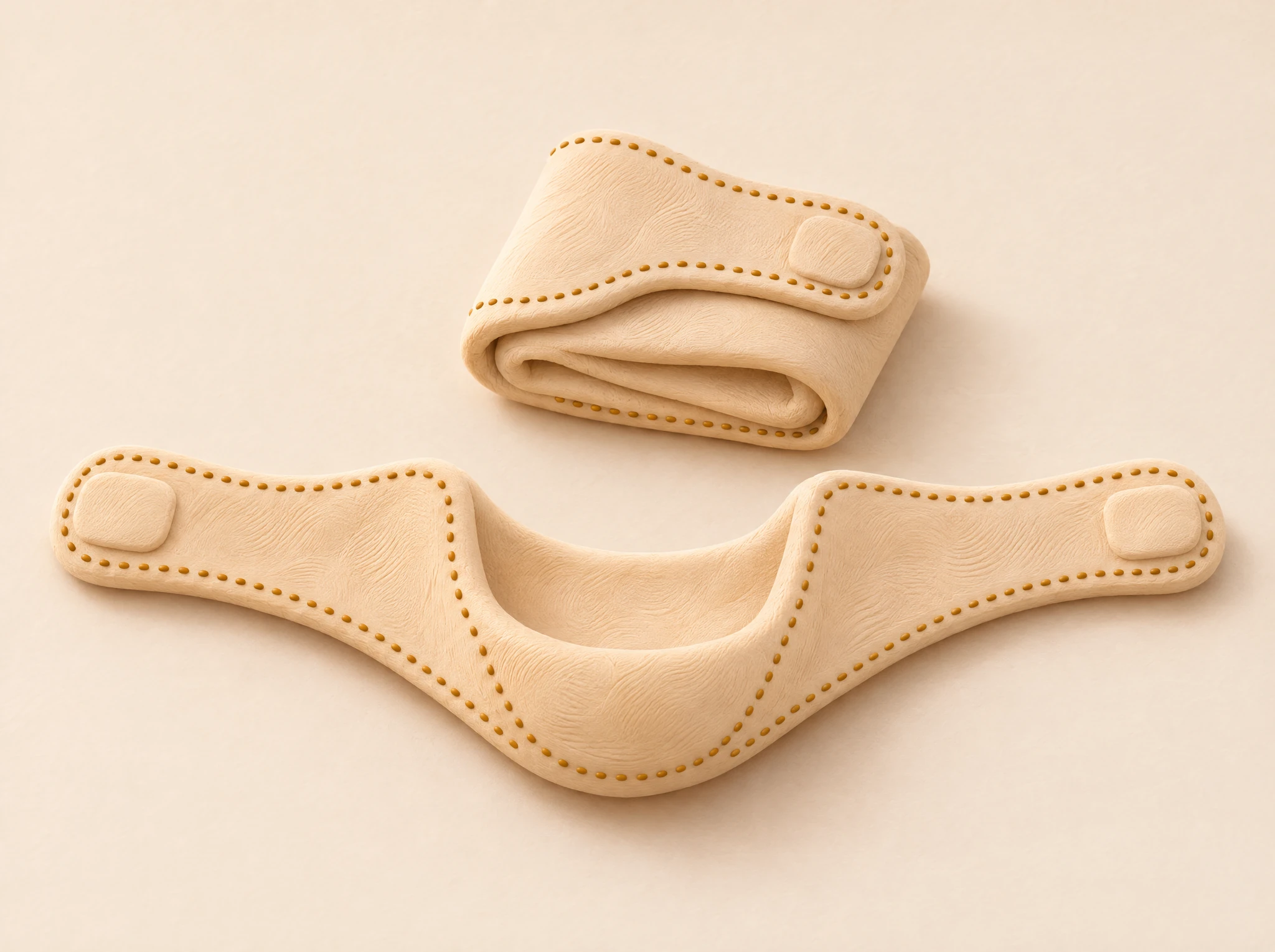
When compression is prescribed, ask about the garment, its position, the periods of use and when it may be removed. Wear it while someone checks the fit. A direction to keep it tight is not a complete explanation; establish whom to contact if it slips or becomes uncomfortable.
Match the garment instructions to the treated areas. Ask how to clean it and what to use if a replacement is needed. Instructions for cheeks alone should not be mixed with those for an operation involving the chin or a lift. Obtain guidance in a language you can read after leaving Korea.
Ask for written compression instructions specifying when to start and stop, and whether these instructions may change at follow-up.
Do work, social plans and exercise share one return date?
Discuss activities separately. For work, describe whether meetings are remote or in person, whether commuting is involved and whether the job requires lifting or prolonged speaking. Keep appearance-sensitive commitments such as photography or social events separate from the question of being able to work.
Describe exercise, bathing and activities involving pressure or rubbing on the face when asking about resuming them. Obtain individual instructions to avoid excessive force or friction at healing incisions (ASPS liposuction recovery, checked 10 November 2026). Include the cheek or jowl treatment area, compression and any combined operation in the question.
How many days should you stay in Korea?
Place the examination, operation and postoperative review on a schedule first. Add any planned access-site care or stitch removal. Then arrange accommodation and travel around those requirements. Ask how the plan would change if another appointment were needed, including how to contact the team and extend the stay.
Provide your departure point, connecting flights, whether someone will accompany you and where you could obtain care at home. Include airport transfers and waiting time when describing the journey. Ask what needs to be checked before travel, using the proposed operation and flight dates rather than a generic package schedule.
Obtain medical records before departure and arrange follow-up care at home (CDC Yellow Book: Medical Tourism, checked 4 November 2026).
What information should travel home with you?
- The operation name, date and areas actually treated.
- Anesthesia and prescription information, with a contact for medication questions.
- Access-site and compression instructions and the next review plan.
- Routine and out-of-hours contact arrangements, plus a local care plan.
If communication goes through an interpreter, establish how questions and photographs reach the clinician. Ask what the response process involves and what happens if an in-person examination is needed. Keep a copy of the exchange so that subsequent clinicians can work from the same information.
Before leaving, check that the records use the actual operation name rather than only a promotional package name. Keep the written instructions accessible during the journey. If an appointment or prescription changes, update the copy you will use at home so that older instructions are not confused with the current plan.
When should you contact the treating team promptly?
Contact the operating clinic promptly for severe pain or unexpected symptoms (NHS liposuction information, checked 4 November 2026).
Common questions
Is face liposuction downtime exactly one month?
A calendar month is not one shared endpoint for work, swelling and contour assessment. Ask for separate instructions for resuming work and exercise, and confirm the next review (ASPS liposuction recovery, checked 10 November 2026).
Is longer compression always more useful?
Follow the prescribed periods and stopping conditions. Ask before changing the pressure or duration yourself.
Can I fly home immediately?
First establish the required review and an individual travel decision. A flight reservation alone cannot set the recovery plan.
Does firmness mean fat remains?
Temporary firmness and swelling-related unevenness can occur after liposuction (ISAPS liposuction information, checked 10 November 2026). Describe the location and changes at review rather than judging the amount of remaining fat by touch.
How much time off work should I plan after face liposuction?
Return to activity should follow individual instructions and the demands of your job (ASPS liposuction recovery, checked 10 November 2026). For cheek or jowl surgery, describe face-to-face speaking, commuting and any prescribed compression when asking about work. Confirm postoperative reviews and contact arrangements before choosing your departure date.
When checking whether the operation is available, ask the Seoul appointment information desk about postoperative reviews and communication after returning home.