Face liposuction in Korea
How does face liposuction work?

Face liposuction uses a small hollow tube to remove selected fat beneath the skin of the cheeks or lower face. Planning depends on where that fat sits and how the overlying skin behaves, rather than on fullness alone. [1][2]
Written by the Face Lipo Korea editorial team from the sources listed on each page. Last updated: .
Which layer is treated?
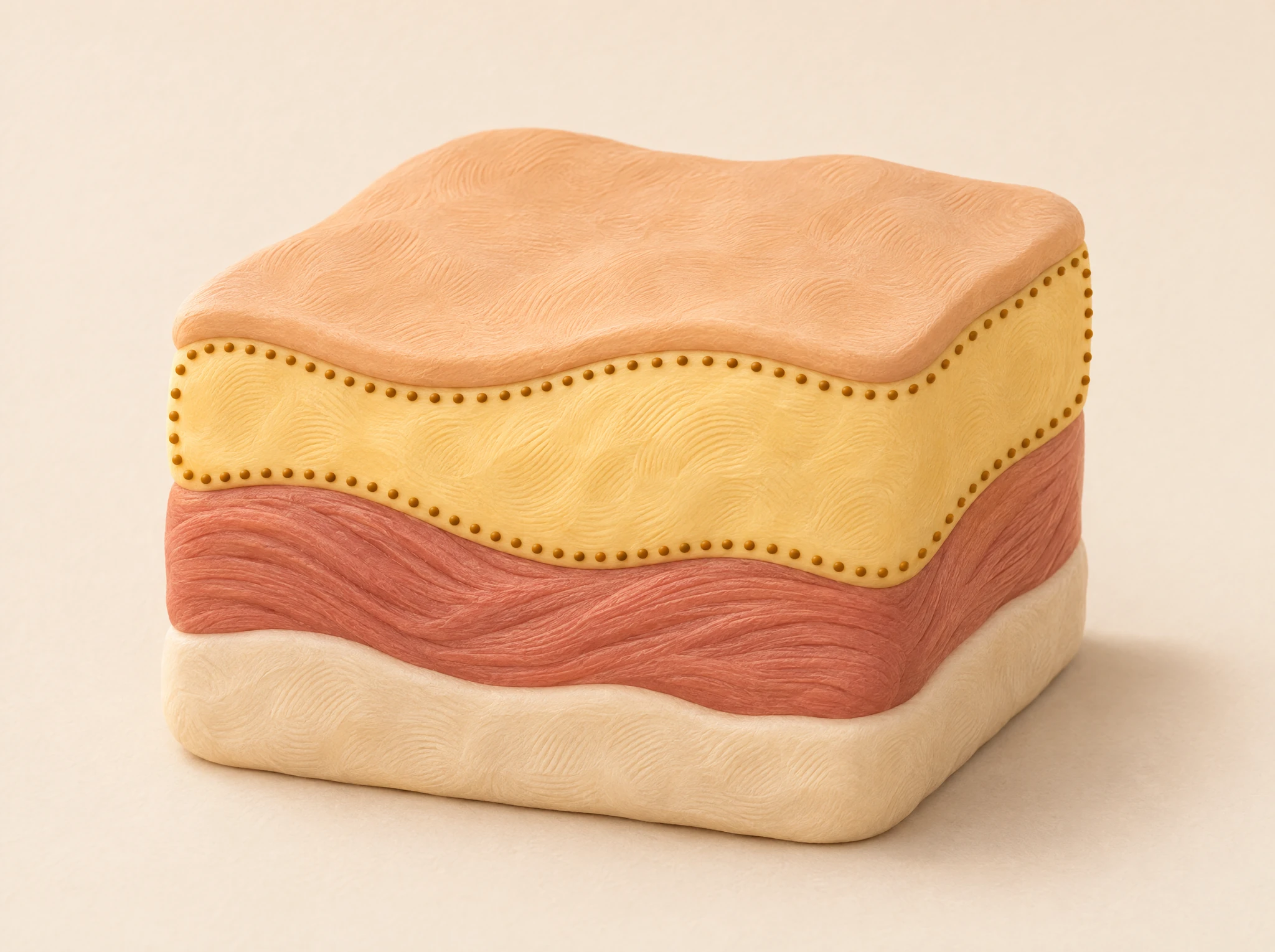
Subcutaneous fat sits below the skin. A cannula, a thin hollow tube, reaches the planned fat through small skin openings. This is a different route from removing the deeper buccal fat pad through the mouth. A procedure described simply as cheek fat removal needs a more precise explanation of the tissue involved. [1][3]
The face does not have a uniform blanket of fat. An ultrasound study of the lower face found regional differences in the combined thickness of skin and superficial fat. Planning therefore concerns areas to preserve as well as areas to reduce. [4]
What makes someone a potential candidate?
A useful starting concern is localized fullness: the lower cheek, the side of the mouth or tissue overlapping the jawline. Wanting a smaller face is less specific. Explain whether the concern appears from the front, at an angle or in profile, and identify any cheek roundness you would like to retain.
An examination considers fat distribution, skin elasticity, existing asymmetry and previous procedures. Bring information about weight changes and earlier facial treatment. The likely response of the skin matters when deciding whether reducing fat matches the intended contour. [2]
If bone width or muscle bulk is the main concern, removing subcutaneous fat does not change that structure. A jowl also needs assessment alongside the hollow in front of it and the position of surrounding tissue. Ask what would remain unchanged, including if the decision is to leave the area untreated. [5]
Are cheeks, jawline and under-chin fat the same area?

| Term | Location to identify | Question to resolve |
|---|---|---|
| Cheek | Fullness at the side of the face | Superficial fat or a deeper fat pad? |
| Jowl | Fullness beside the mouth and over the jaw border | Thickness, tissue position or both? |
| Jawline | The lower-face outline | Which areas are actually included? |
| Submental area | Beneath the chin toward the neck | Is this separately planned? |
Match these names to marked boundaries and a written plan. Even if only one side concerns you, ask for an assessment of both sides.
Where are the openings, and which anesthesia is used?
Ask the surgeon to point out the proposed access sites, including any near the ear or beneath the chin. Their purpose is to reach the planned area. Also ask how the openings would be closed, whether stitches need removal and when they would be checked.
Tumescent infiltration introduces fluid containing dilute local anesthetic into the target tissues before suction. Sedation and general anesthesia are other parts of the anesthesia discussion described in the ASPS liposuction procedure, checked 4 November 2026.[6]
A facial and neck liposuction study also describes tumescent anesthesia combined with nerve blocks. If a proposal uses the phrase sleep anesthesia, ask which medications and level of sedation it means, and who would manage them. The phrase alone does not define the anesthesia plan. [6]
What happens during facial liposuction?
Step 1 of 4: Confirm the boundaries
The marked areas should match the agreed plan. Distinguish the cheeks, jowls and under-chin area, including any pre-existing differences between sides.
Step 2 of 4: Provide anesthesia and infiltration
The team follows the chosen anesthesia plan and infiltrates the target tissues. [6]
Step 3 of 4: Remove selected subcutaneous fat
The cannula is passed through the planned fat. A retrospective facial study describes dividing the area into smaller zones and counting aspiration passes to guide adjustments. [1]
Step 4 of 4: Assess the contour and complete the procedure
The surgeon checks the treated areas before finishing the access sites and arranging postoperative care. Compression and follow-up instructions should correspond to the actual operation.
What are the risks of facial liposuction?
Risks include contour irregularity, asymmetry, nerve injury affecting sensation or movement, loose skin and hematoma, a collection of blood beneath the skin. Broader liposuction literature also describes infection, fluid collections, healing problems and anesthesia-related complications[1][2][7] (ASPS liposuction risks, checked 4 November 2026).
Ask about possible complications of the planned procedure, how they would be treated and where additional care would be available.
What should a consultation answer?
What causes the fullness I am pointing to?
Why it matters. The proposed tissue change should match the concern.
What a good answer includes. Identifies the fat, skin and contour features that would remain.
Treat with caution. Offers general slimming without identifying a tissue or area.
What would you remove and what would you preserve?
Why it matters. A procedure name does not define the boundaries.
What a good answer includes. Shows cheek, jowl and under-chin boundaries in a written plan.
Treat with caution. Uses full face as the only description.
What needs checking before I return home?
Why it matters. Travel should accommodate the clinical plan.
What a good answer includes. Specifies pre-departure checks, where to obtain care and whom to contact if plans change.
Treat with caution. Discusses the operation date without follow-up arrangements.
Common questions
Does facial liposuction narrow the jawbone?
It treats selected subcutaneous fat. Reshaping the underlying bone is a different operation. [1]
Is the buccal fat pad removed at the same time?
That would be a separate procedure. If both are proposed, request a distinct explanation of the purpose of each. [3]
Do I need general anesthesia?
General anesthesia is not the only option. Confirm the anesthesia plan for the treatment extent and your health. [6]
What does Korean-style face liposuction mean?
The label alone does not specify the treatment areas or technique. Ask which cheek or jowl areas the plan covers and whether it involves subcutaneous liposuction, buccal fat removal or both. Match the access sites, anesthesia and follow-up to the written plan.
What effect can face liposuction have?
Facial liposuction reduces selected subcutaneous fat. [1] At assessment, match the planned area to the fullness you want reduced and the cheek contour you want to retain.
Before arranging an appointment, ask a plastic surgery clinic in Sinsa-dong, Seoul whether it offers facial liposuction and assessments of your requested areas.
References
(7)
Bibliographic records retrieved from PubMed (U.S. National Library of Medicine).
Gu T, Zhang X, Yu P, et al. "Subzone-Counting" Method in Asian Facial Liposuction: A Retrospective Study. J Craniofac Surg. 2023;34(8):2514-2517.
Dixit VV, Wagh MS. Unfavourable outcomes of liposuction and their management. Indian J Plast Surg. 2013;46(2):377-92.
Moura LB, Spin JR, Spin-Neto R, et al. Buccal fat pad removal to improve facial aesthetics: an established technique? Med Oral Patol Oral Cir Bucal. 2018;23(4):e478-e484.
Zhang M, Yang Y, Shi Y, et al. A Comprehensive Ultrasound Investigation of Lower Facial and Neck Structure. Aesthetic Plast Surg. 2025;49(1):1-12.
Talei B, Ziai H. Mandibular Ligament and the Prejowl Sulcus Explained. Aesthet Surg J. 2024;44(11):1131-1139.
Zhuang J, Chen Y, Wang C, et al. A Method of Tumescent Anesthesia Based on Facial and Cervical Nerve Block for Face and Neck Liposuction. J Craniofac Surg. 2024.
Comerci AJ, Arellano JA, Alessandri-Bonetti M, et al. Risks and Complications Rate in Liposuction: A Systematic Review and Meta-Analysis. Aesthet Surg J. 2024;44(7):NP454-NP463.